Loch Ken is the most important coarse fishing destination in Scotland and probably the least understood by anglers outside the area. It holds high quality pike and perch fishing, and prolific roach and bream sport for match and pleasure anglers. It is a big, varied water in Dumfries and Galloway, and it is well worth a trip.
It also has an access situation that has changed over the years and that you need to check before you go rather than after.
The access and permit position
Fishing on Loch Ken is by permit only. Permits are available locally and in advance, and the situation is complicated by the fact that fishing rights around the loch are held by different parties rather than a single body.
Drax, which owns land and fishing rights in the area, has identified ownership and produced a map showing where bank and boat fishing is permitted along with details of where to buy permits. That map is the single most useful document for a first-time visitor, and it exists precisely because the situation was confusing enough to need one.
The New Galloway Angling Association controls a stretch of the River Ken, a stretch of Loch Ken’s west bank, and fishing on Loch Stroan. Their waters hold bream, dace, perch, pike, trout, salmon and ruffe, which is a species list that tells you how varied the system is.
The Scottish Federation for Coarse Angling has published guidance on the rights and restrictions at sfca.co.uk, and it is the place I would start. Do not rely on a forum post from several years ago. This is exactly the sort of thing that changes.
Pike fishing
This is what most visiting anglers come for. It is a big water and the fish are not evenly distributed, so the first job is narrowing down where to start rather than fishing hopefully.
I would work the margins of the bays and any structure where deeper water comes close to shallow. Deadbaits fished on the bottom in the classic style will find fish, and I would run two rods at different distances rather than both at range. Half-mackerel and lamprey sections both earn their place. There is more on rigs and presentation in our pike deadbaiting guide.
Lure fishing covers water faster, which on a loch this size is a real advantage when you are prospecting. Large soft plastics and shallow-running crankbaits over the weedier margins, and something with more weight when you find the drop-offs. See lure fishing for pike.
Bring proper unhooking kit. Long forceps, wire cutters, a big unhooking mat and the confidence to use them. Big pike waters produce big pike, and the worst thing you can do is hook one you are not equipped to deal with.
Perch, roach and bream
Perch fishing here is good enough to be a trip in its own right. Drop shot along any structure, or small lures worked slowly. Our drop shot guide and spinning for perch both apply.
For roach and bream, standard feeder work. Groundbait, patience, and a willingness to sit on a swim long enough for the fish to settle over it. The stamp of fish is the bit that surprises people.
Practical notes
Scotland does not require a rod licence, but you absolutely need the correct permit for the bank or boat you are fishing from, and “correct” varies by location around this loch. That is the whole message of this piece.
Live fish as bait is not something to assume is permitted anywhere in Scotland, and biosecurity rules on moving fish between waters are taken seriously. Bring dead baits from a shop, not from another water.
The wider regional picture is in the Southern Scotland overview.

Gear that fits this
Some options that match this approach, grouped by type.
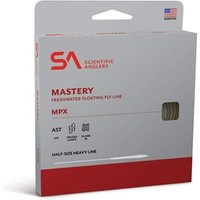
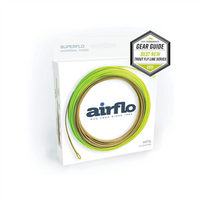
Fly lines worth adding: Scientific Anglers Mastery MPX Buckskin/Optic Green Weight Forward Fly, Airflo Sixth Sense 2 Intermediate Fly Line Mid Inter 7/8 1.0ips and Airflo Superflo Universal Taper Fly Line WF9 Floating.
On the leaders and tippet side, Orvis Mirage Flurocarbon Tippet 1x 11.8lb 30m, Maxima Clear 100m Line 5 lb and Airflo Sightfree G3 Fluorocarbon 50m 8lb 0.21mm.
Reels: Guideline Fario Fly Reel Charcoal ±4, Lamson Liquid S-Series Daybreak Fly Reel and Lamson Remix S-Series Smoke Fly Reel.
For rods, Guideline Embrace Fly Rod and Reel Kit #9 9', Scott Fly Rod Co Sector Series Fly Rod 9'0'' #6 4-pc and Wychwood Drift Fly Rod 10ft #3 are all worth a look.

Rob Hadley grew up fishing the rivers and drains of the Norfolk Broads, and it was inevitable that pike would become his species of choice. He’s been targeting predators seriously for over 20 years – starting on dead baits, moving through live bait rigs, and eventually landing on lure fishing as his preferred method about eight years ago.
These days he fishes the Broads through winter, travels to Chew Valley Lake each spring for its outsized fish, and spends the warmer months working soft plastics on rivers across the East Midlands for perch and zander. He’s had pike to 31lb and perch to 3lb 9oz, and reckons both records are beatable on the right day with the right set-up.
At The River Bend, Rob writes the predator species guides, lure fishing technique articles, and most of the winter fishing content.
Covers: Pike, perch, zander, lure fishing, winter fishing, predator rigs