The UK has an exceptional variety of fishable water – probably more accessible fishing per head of population than anywhere else in northern Europe. Rivers from the chalk streams of Hampshire to the spate rivers of Scotland; reservoirs from urban day ticket waters in the Midlands to wild lowland lochs; a canal network stretching thousands of miles; and a coastline that offers every type of sea fishing from summer bass to winter cod.
Finding the right water is the question. Access arrangements vary significantly: some waters are free to fish with a rod licence; others require a day ticket; many require club membership; the best private fisheries work by invitation or long-term syndicate only. Understanding how UK fishing access works is the starting point for any unfamiliar water.
How UK Fishing Access Works
All freshwater fishing in England and Wales requires an Environment Agency rod licence. In Scotland, freshwater fishing is generally free (no licence required for coarse fish), though game fishing for salmon and sea trout is managed through riparian ownership and nearly always requires a permit.
Beyond the licence, access to the water itself depends on who owns the fishing rights:
Free fishing. Some stretches of navigable rivers, canals, and reservoirs are available free to any licence holder. The extent of free fishing is often misunderstood – truly free fishing is less common than many beginners assume, and the list of free stretches varies by region.
Day ticket fisheries. Commercial fisheries and many club-managed waters offer day tickets. Day ticket prices range from a few pounds for a club water to 30+ per session on well-stocked commercial carp venues.
Fishing clubs and associations. Most of the UK’s river and natural lake fishing is managed through fishing clubs. A club membership gives access to a specific stretch or set of waters and is typically far better value than day tickets for anglers who fish regularly. The Angling Trust’s club finder can help locate clubs in your area.
Syndicate fisheries. Private lakes and gravel pit fisheries are often managed as syndicates with a fixed number of members. Some of the best big fish waters in the UK are syndicate only, with waiting lists of several years.
Canal fishing. The canal network is managed by the Canal and River Trust. A Waterways licence (separate from the EA rod licence) covers fishing on most CRT-managed canals.
Recommended gear
Kit for the bank
Luggage, rests and the bits that make a session easier.
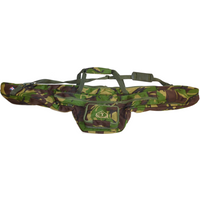
at Total Fishing Tackle

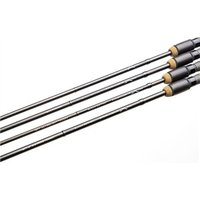
at Fishing Tackle & Bait
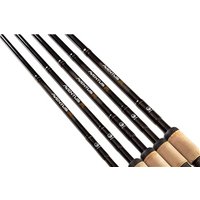
Affiliate links. We may earn a commission at no extra cost to you. More.
Rivers
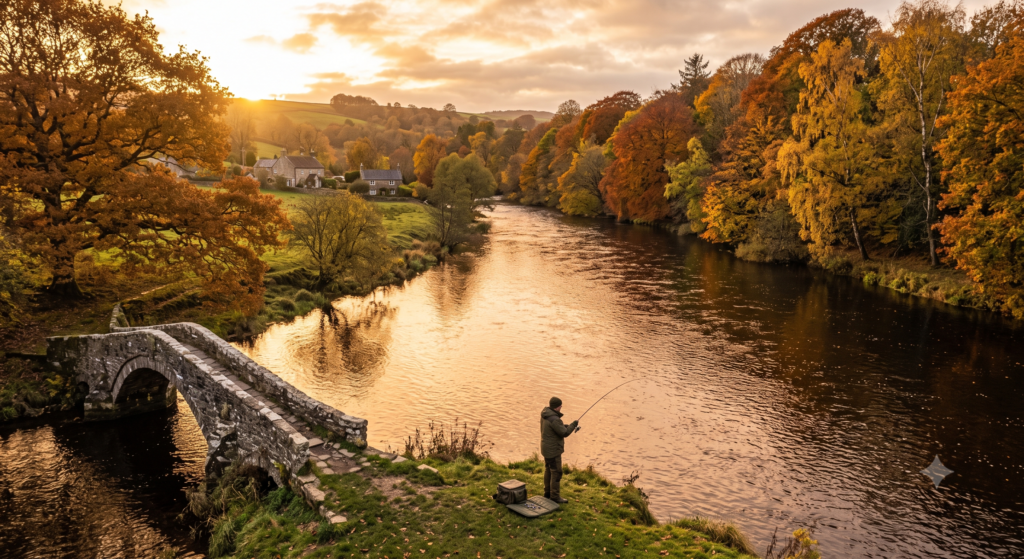
UK river fishing ranges from powerful spate rivers in Wales and Scotland to slow, deep lowland rivers like the Trent and Great Ouse. River character dictates both species and method: chalk streams suit fly fishing and delicate float work; northern spate rivers demand heavier tackle and different technique.
- River Severn Fishing Guide
- River Trent Fishing Guide
- River Wye Fishing Guide
- River Thames Fishing Guide
- River Great Ouse Fishing Guide
- River Kennet Fishing Guide
- Hampshire Avon Fishing Guide
- Yorkshire Rivers Fishing Guide
- All rivers
Lakes, Reservoirs, and Gravel Pits
Stillwater fishing in the UK is as varied as river fishing. Upland reservoirs in Yorkshire, the Peak District, and Wales offer fly fishing for brown trout and wild rainbow trout stocked annually. Lowland gravel pits in the Thames Valley and East Anglia hold the biggest coarse fish in the country – pike to 40lb+, carp into the 50s, perch to 5lb+. Commercial carp fisheries range from well-maintained venues with high stock densities to heavily pressured waters where fish are wary and difficult.
- Rutland Water Fishing Guide
- Grafham Water Fishing Guide
- Bewl Water Fishing Guide
- Chew Valley Lake Fishing Guide
- Norfolk Broads Fishing Guide
- Lake District Fishing Guide
- Scotland Loch Fishing Guide
- All lakes
Canals
The UK canal network is one of the most underrated fisheries in the country. The clear water of the Basingstoke Canal in Hampshire and Surrey holds big perch and roach. The Grand Union Canal through London and the Midlands is accessible, productive, and free to fish (with CRT waterways licence) for much of its length. The Oxford Canal, Kennet and Avon, and Shropshire Union all have dedicated followings among coarse anglers.
- Grand Union Canal Fishing Guide
- Shropshire Union Canal Fishing Guide
- Canal Fishing UK: Beginner’s Guide
- All canals
- Best Fishing Canals in the UK
Sea Fishing
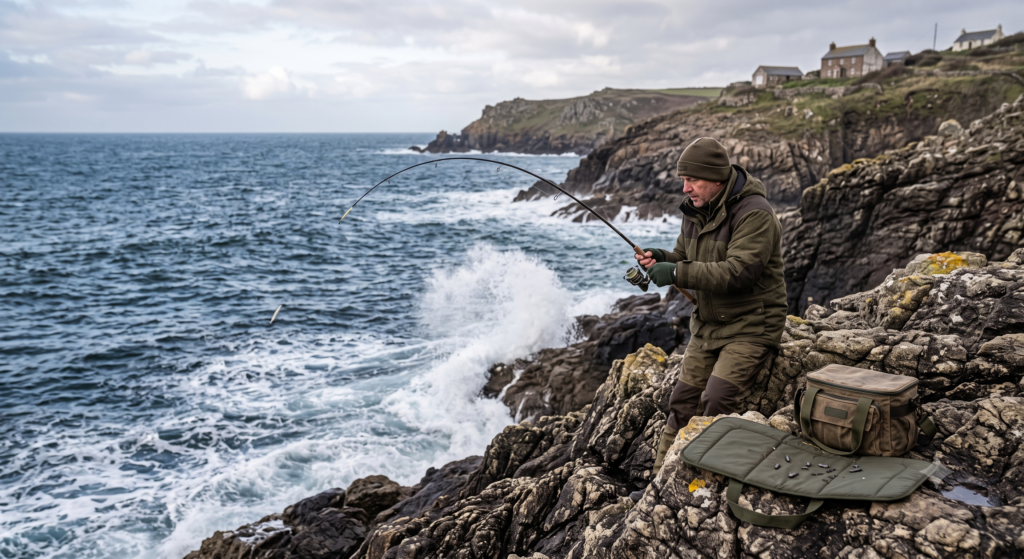
UK sea fishing covers shore fishing, rock fishing, pier fishing, and boat fishing. Bass from rocky headlands in Cornwall and South Wales; cod and whiting from Yorkshire piers; tope, ray, and smoothhound from charter boats in the South and West. Location and season determine everything in sea fishing more than in any other branch of the sport.
Sea fishing location guides are next in the content queue.