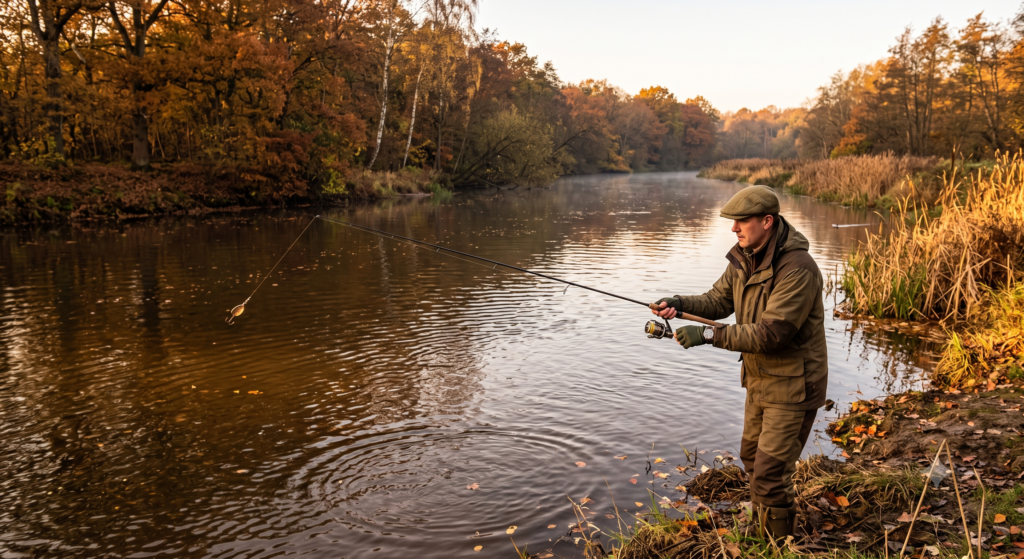
Fishing technique matters more than most beginners realise, and matters in a different way than most intermediate anglers think. The difference between float fishing and ledgering is not just a tackle swap – it changes what water you can fish, what depth you cover, what information you get from the bite, and what species you are likely to catch. Getting the method right for the water, species, and conditions is the single biggest factor in whether you catch fish or blank.
This section covers every mainstream UK fishing technique properly – what it is, when to use it, how to set it up, and what it will and won’t catch.
Lure Fishing
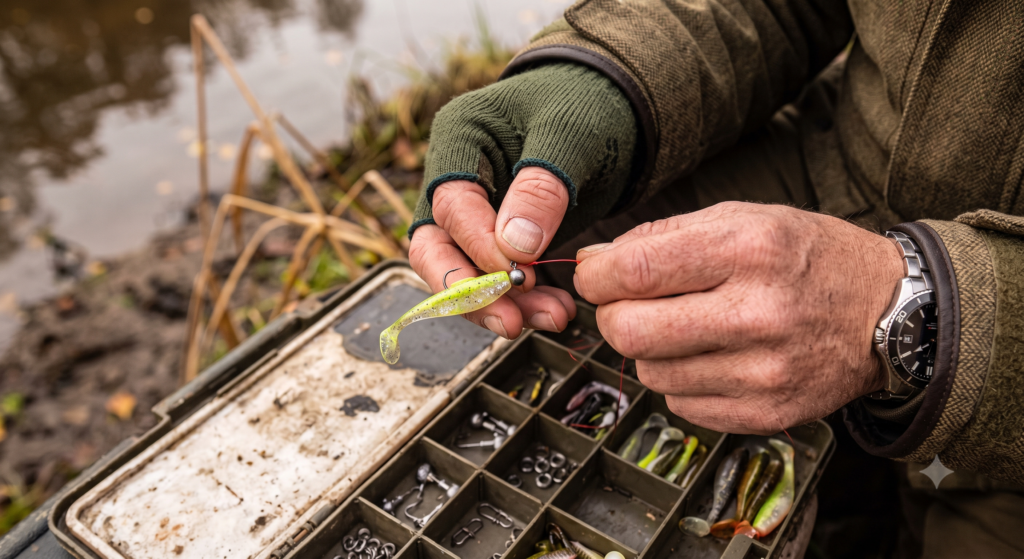
Lure fishing is the fastest-growing area of UK freshwater fishing. Artificial lures – spinners, soft plastics, plugs, jigs – mimic the prey fish that predators hunt. The appeal is the active, searching nature of the method: you cover water, you feel the take through the rod, and you rarely spend a session without some indication of fish.
Drop shot fishing in particular has transformed UK perch fishing over the last 15 years and is now the most effective method for targeting specimen perch from rivers, canals, and gravel pits. Jig fishing and spinner fishing cover pike, perch, zander, chub, and bass.
- Lure Fishing for Pike UK
- Lure Fishing for Zander UK
- Spinning for Perch UK
- Drop Shot Fishing for Perch UK
- Pike Deadbaiting UK
- Pike Shore Fishing Tactics UK
- All predator and lure methods
Recommended gear
Gear for these techniques
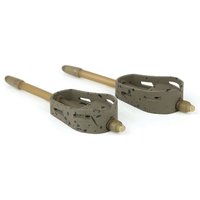
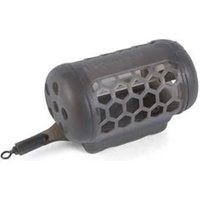
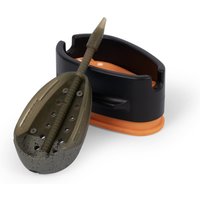
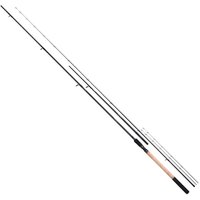
The rods, feeders and floats these methods actually need.
at Fishing Tackle & Bait
at Total Fishing Tackle
Affiliate links. We may earn a commission at no extra cost to you. More.
Float Fishing
Float fishing is the most versatile and visually engaging method in UK freshwater fishing. A correctly set float tells you what is happening to your bait at every moment – whether it is lifted by a fish mouthing the bait, pulled across the current, or dragged under on a confident take. It suits river fishing for roach, dace, chub, and barbel; pond and canal fishing for bream, tench, and perch; and specialist trotting on rivers where the float is allowed to run downstream through a swim.
- Float Fishing for Beginners UK
- Waggler Fishing UK
- Trotting the River (Stick Float Guide)
- Pole Fishing for Beginners UK
- Match Fishing for Beginners UK
- All coarse methods
Feeder and Ledger Fishing
Ledgering means fishing a bait on the bottom with a weight to hold it in place. Feeder fishing is a development of this: the weight is replaced by a cage or method feeder that holds groundbait or loose feed around the hookbait. This is the dominant technique for carp, bream, and tench on commercial stillwaters, and is also highly effective for barbel on rivers.
The swimfeeder has a longer history in UK fishing than many anglers realise – it was already widely used on rivers in the 1960s and 70s. The method feeder, which coats the hook length in a ball of groundbait, is a more recent development that transformed commercial carp fishing in the 1990s.
- Feeder Fishing Guide UK
- Feeder Fishing for Beginners UK
- Method Feeder Fishing UK
- Groundbait Guide UK
- All coarse methods
- Method Feeder Fishing for Trout UK
Fly Fishing
Fly fishing uses an artificial fly – either a dry fly sitting on the surface or a wet fly or nymph fished below it – to deceive fish into taking what they think is a natural insect or small creature. It is primarily associated with game fishing (trout and salmon) but is also used for coarse fish including perch, chub, and roach on rivers and canals.
UK fly fishing for trout ranges from small chalk streams in Hampshire and Dorset (where matching the hatch with specific dry fly patterns is the art) to large reservoirs where lure fishing on a fly rod is the norm. Salmon fishing on Scottish and Welsh rivers is its own distinct discipline.
Sea Fishing Techniques
Shore fishing, rock fishing, pier fishing, and boat fishing all require different approaches. Bait presentation for bass from a rocky headland is nothing like ledgering for cod from a Yorkshire pier, and neither resembles the wreck fishing and uptide techniques used in boat fishing.