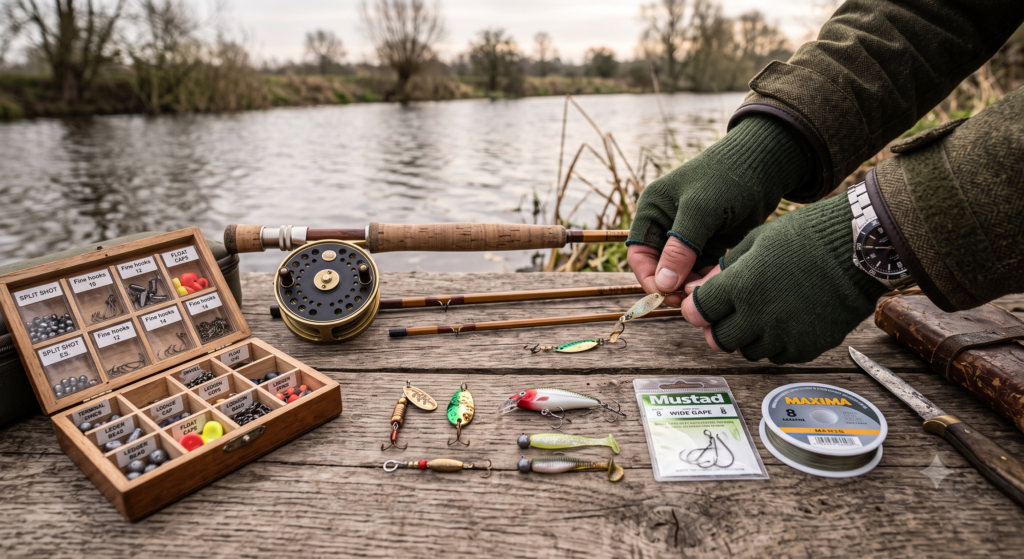
The UK fishing tackle market is worth hundreds of millions of pounds a year. Much of it is spent on things anglers do not need. A beginner at a tackle shop is frequently upsold into a setup that is overcomplicated, overpriced, and not suited to the fishing they actually want to do. An experienced angler browsing forums can be led to believe that last year’s rod is inadequate and this year’s model is the one that will finally unlock the catches they want.
Neither is true. This section covers what fishing gear actually does, what matters and what doesn’t, and what a sensible setup looks like for each type of UK fishing – without assuming you need to spend a lot of money to fish well.
Rods
A fishing rod’s job is to cast the rig or lure the right distance, absorb the fight of a fish without breaking, and transmit information about what the bait is doing to the angler holding it. Most modern rods at any reasonable price point do all three jobs adequately. The differences between a 70 rod and a 350 rod for general coarse fishing are real, but they are refinements – not the difference between catching fish and blanking.
What matters: the rod’s test curve or casting weight range must match the weight of lead or lure you are casting and the size of fish you are targeting. A 1.75lb test curve river rod and a 3.5lb test curve carp rod are different tools for different jobs; they are not interchangeable, and neither is “better.”
- Choosing a Fishing Rod UK: Complete Buying Guide
- Buying Your First Fishing Rod UK
- Fishing Rod Test Curves Explained
- Top 10 Carp Fishing Rods UK
- Top 10 Coarse Fishing Rods UK
- Top 10 Trout Fishing Rods UK
- Top 10 Sea Fishing Rods UK
Recommended gear
Start with the essentials
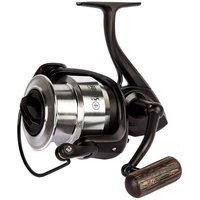
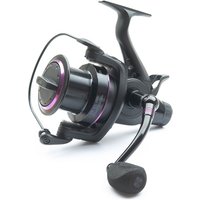
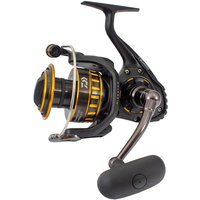
A rod, a reel, a net and the terminal tackle to go with them.
at Fishing Tackle & Bait
Affiliate links. We may earn a commission at no extra cost to you. More.
Reels
Fixed spool reels are used for most UK coarse and lure fishing. A centre pin reel is the traditional choice for trotting a float on rivers and remains highly effective for this specific technique. Fly fishing uses dedicated fly reels. Multiplier reels are standard for sea fishing and specialist pike fishing.
The reel is the most misunderstood piece of tackle in terms of price vs performance. A well-maintained mid-range reel performs almost identically to a high-end model for most coarse and lure fishing. The differences in bearing quality, line lay smoothness, and retrieval feel are noticeable in the hand but rarely translate into more fish caught.
Terminal Tackle
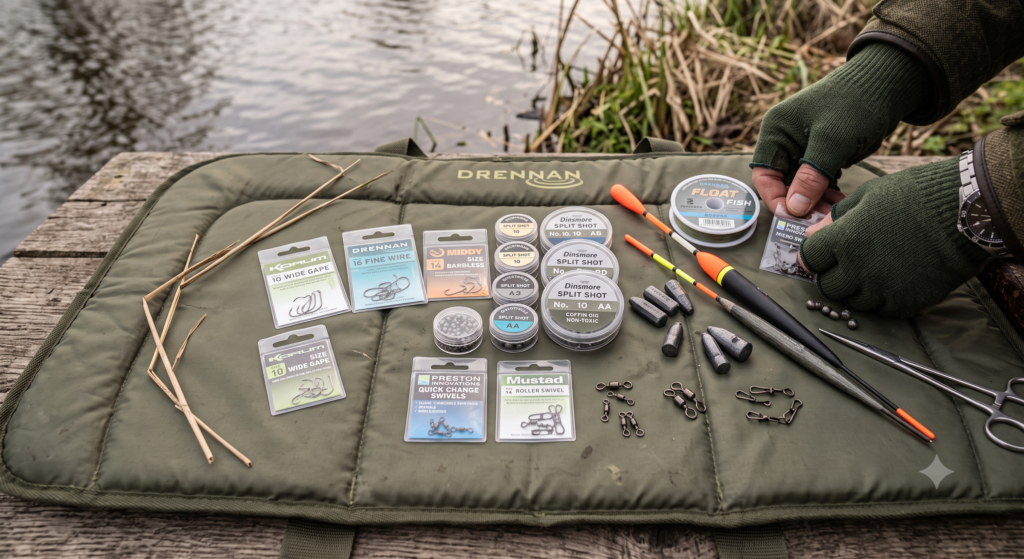
Terminal tackle means everything between the mainline and the hook: weights, swivels, hooks, feeders, floats, beads, rigs, and line. This is where the detail matters most – hook size, weight, and pattern have a direct and immediate effect on whether you catch fish or not. A hook that is too large, too small, or too heavy for the bait will cost bites. A weight that is wrong for the current or depth will drag the bait out of the feeding zone.
- Fishing Hooks Explained
- Fishing Leads and Weights UK
- Terminal Tackle UK
- Fishing Floats Explained
- Fishing Hook Sizes UK: What Size for Which Species
Line
Monofilament, fluorocarbon, and braid are the three main line types in modern UK fishing. Each has properties that make it the right choice for specific applications and the wrong choice for others. Braid’s zero stretch and thin diameter make it ideal for lure fishing and feeder fishing; its visibility and poor abrasion resistance make it a poor choice for certain float fishing situations. Fluorocarbon’s near-invisibility underwater and high abrasion resistance make it the standard choice for hook lengths.
Luggage and Accessories
Unhooking mats, rod bags, tackle boxes, waders, and clothing. The accessory market is where tackle shops make a large part of their margin. Most of what you need is simpler than the range of options suggests.
- Landing Nets UK: Sizes, Mesh Types, and Technique
- Types of Fishing Lures UK
- Top 10 Landing Nets UK
- Top 10 Carp Fishing Bivvies UK
Bait and Attractants
Bait has its own section on the site, covering every major category in depth. These two guides sit here because they are as much about what you buy as what you put on the hook.