A knot is the weakest point in any fishing setup. Not because knots are inherently weak – a well-tied knot in quality line retains 90-95% of the line’s rated breaking strain. But a poorly tied knot, or the wrong knot for the application, can fail at 40-60% of the rated strength. On a big pike or a hard-fighting barbel, that difference is the fish of a lifetime lost or landed.
The guides in this section cover every essential fishing knot used in UK fishing: how to tie it correctly, when to use it, and what it should look like when it’s done right. Each guide also covers the most common mistakes – because most knot failures come from the same few errors repeated.
Hook Knots
Hook knots connect your hook to the hook length or mainline. The choice of knot depends on the hook pattern (eyed hook or spade end), the line diameter, and the application.
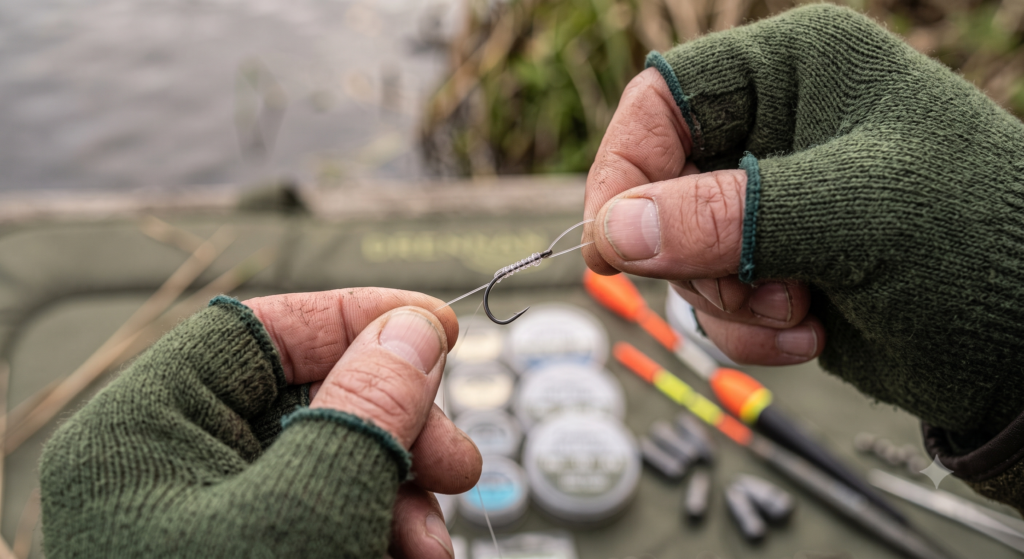
The Palomar knot is the strongest and most reliable all-round hook knot for eyed hooks. It is particularly important for drop shot fishing, where the Palomar is the only knot that keeps the hook at a horizontal angle – essential for hook-up rate with soft plastic baits on perch. The Palomar is equally effective for connecting lures and swivels to mainline.
The improved clinch knot is the most widely used hook knot in UK coarse fishing for general float and feeder fishing. It is easy to tie, reliable across a range of line diameters, and works well with both monofilament and fluorocarbon.
Spade end hooks (commonly used in match and float fishing with fine diameter hook lengths) require a different technique – a whipping knot rather than a through-the-eye knot.
Recommended gear
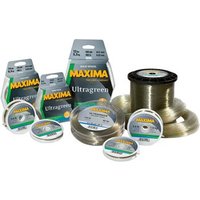
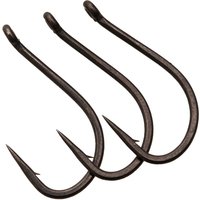
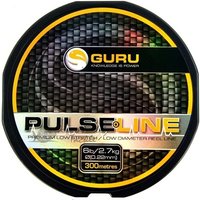
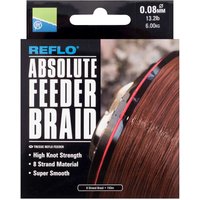
Line, hooks and rig bits
What you need to tie the rigs in this section properly.
Affiliate links. We may earn a commission at no extra cost to you. More.
Line-to-Line Knots
Line-to-line knots connect mainline to a leader or hook length of a different diameter or material. The most common UK applications are connecting braid mainline to a fluorocarbon leader (lure fishing, feeder fishing), and connecting a thick mono mainline to a finer mono or fluorocarbon hook length.
The double grinner (double uni) is the standard UK choice for most line-to-line connections. It works across a wide range of diameter differences and is reliable in both mono-to-mono and braid-to-fluorocarbon connections.
Loop Knots
A loop knot connects a lure or fly to the leader in a way that allows it to swing freely, enhancing the action of the bait. Used primarily in lure fishing for pike and perch, and in fly fishing for salmon and sea trout.
Loop knot guides are next in the content queue.
Rig Guides
A rig is the complete assembled terminal tackle setup – hook, weight, swivel, hook length, and any additional components – put together for a specific purpose. Different rigs are used for different species, methods, and conditions.
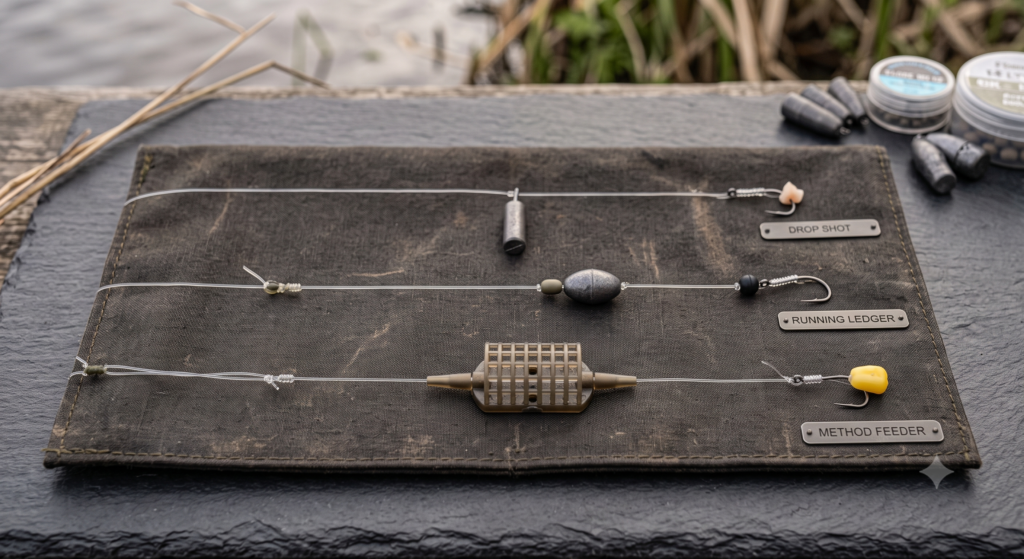
Common UK rigs covered in this section will include:
- Drop shot rig (perch, zander, chub – lure fishing)
- Running ledger (barbel, chub – river fishing)
- Method feeder rig (carp, bream, tench – stillwater)
- Float paternoster (perch, tench – stillwater)
- Pike dead bait rig (pike – stillwater and river)
- Waggler float setup (roach, bream, tench – canal and stillwater)