Loch Watten is the water I would take someone to if I wanted to show them what wild Scottish brown trout fishing is supposed to be. It is not dramatic to look at by Highland standards. It is a shallow, fertile, unassuming loch in Caithness that happens to produce some of the best loch style fishing in Britain.
The fish
Wild brown trout averaging just under a pound, with good numbers in the two to three pound class. On a wild water, that is an excellent average, and the reason is the loch’s fertility. Shallow and rich means abundant insect life, which means fish that grow well and feed near the surface far more than trout in a deep acidic Highland loch ever will.
That surface-orientation is what makes the fishing so good. These are fish you can catch on traditional tactics, in the top few feet of water, on a floating line, all season.
Fly only, and boat over bank
Watten is a fly only loch. It is also a water where hiring a boat is strongly advisable rather than bank fishing, although you can wade out a fair distance in many areas, which is a genuine option when the wind makes a boat unpleasant.
The reason to be afloat is that this is drift fishing water. The productive approach is to set up a drift, cover new water continuously, and let the boat do the searching. Bank fishing on a shallow loch limits you to whatever is in front of you, and on a water this size that is a small fraction of the fish.
Permits and boats
The Dounreay Fly Fishing Association, established in 1958, is the leading fly fishing club in Caithness. It owns and maintains twenty boats distributed around ten Caithness wild trout lochs, Watten included, and membership is the most practical route to fishing them properly.
Permits can be obtained from the Dounreay club on 01847 892998, or from Hugo Ross Tackle in Wick on 01955 851270. Boats can also be rented from Hugo Ross in Wick and from other local sources. Their site is dffa.co.uk.
Ring ahead. This is not a part of the world where turning up and expecting a boat to be free is a plan.
How to fish it
Traditional loch style, and I mean traditional. A 10ft rod for a #6, floating line, leader of twelve to fifteen feet, three wet flies. Fish a relatively short line off the front of a drifting boat, retrieve steadily, and work the top dropper in the surface at the end of every retrieve before lifting off.
An enormous proportion of takes come in those last two seconds as the flies rise and the bob fly wakes across the surface. If you lift straight into the backcast without pausing, you will never know how many fish you missed.
Fly choice is not the puzzle people want it to be. Soft hackled wets in browns and blacks, something with a bit of colour in the middle, and a bushy pattern on the top dropper to make a wake. Kate McLaren, Black Pennell, Soldier Palmer. The old patterns persist because they work.
Wind is your friend. A good ripple or a proper wave puts the fish on edge in a way that helps you, and a flat calm on Watten in July is genuinely hard work.
Practical notes
Caithness is a long way north. Wick is the nearest town of any size, and services thin out fast beyond it. Fill the car, buy the food, and sort the permit before you are relying on a shop being open.
Take midge protection seriously between June and September.
If you are new to loch style, read our fly fishing for trout guide before you go, and the brown trout species guide covers the seasonal behaviour that dictates when the fishing is at its best. The wider area is in the Highlands and Argyll overview.

Gear that fits this
If you’re kitting out for this, these fit.
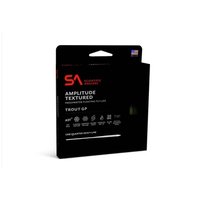
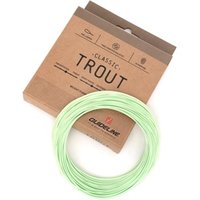
For fly lines, Scientific Anglers Amplitude Textured Trout GP Floating Fly Line WF-3, Guideline Classic Trout Floating Fly Line #6 and Airflo Delta Taper Camo Clear Fly Line WF5 Fast Inter 1.5" are all worth a look.
Leaders and tippet worth adding: Drennan Subsurface Fly Line Tippet Leader Material Green 5lb, Frog Hair High Performance Tippet 30m Spool 2X/11.1lb and Airflo Tactical Polyleader Ultimate Dry 8ft Floating.
On the reels side, Guideline NOVA Cassette Fly Reel #68 Black, Guideline Halo EVO Fly Reel #79 and Lamson Liquid S-Series Daybreak Fly Reel.
Rods: Airflo Airlite V2 Comp Special Fly Rod 10' #7, Wychwood Flow Fly Rod 6ft #3 and Daiwa Wilderness Trout Fly Rod 10' 4PC #7.

Sarah Marsh came to fly fishing through her father, who kept a rod on a small syndicate water in Devon. She spent her teens fishing stocked reservoirs and gradually worked her way toward wild fish on moving water – first on rain-fed freestone rivers in Wales, then on the Hampshire chalk streams she now considers home water.
She holds a level 2 APGAI fly casting qualification and guides informally on the River Test and, from June to September, on a private beat on the River Tay for Atlantic salmon. Her personal best brown trout came from the Itchen at 4lb 1oz; she’d sooner not talk about the salmon that came off at the net last August.
At The River Bend, Sarah writes the game fish species guides, fly fishing technique articles, and the legal content covering trout and salmon regulations.
Covers: Brown trout, rainbow trout, sea trout, Atlantic salmon, fly fishing, chalk streams, Scottish rivers, close season and regulation articles