Butterstone is a small water by Scottish standards and it fishes considerably bigger than it looks. Around seventy acres, fairly round, with two shallow bays on the opposite side from the lodge, it sits within the nature reserve on the Cardney Estate near Dunkeld in Perth and Kinross. On a still morning it looks like a pond you could cover in an afternoon. You cannot.
What is in it
The loch holds rainbow, blue and brown trout, with the browns both wild and stocked. Anglers are asked to return wild fish where possible, which is the kind of policy I wish more stocked fisheries adopted.
The stocking is serious. Butterstone has gone into recent seasons stocked with fish averaging around two and a half pounds and some considerably larger. On a seventy-acre water that is a meaningful head of good fish, and it explains why the venue has the reputation it does among people who fish Perthshire regularly.
The rainbow trout season runs from 1 April to 31 October.
Boat and bank
Butterstone offers both boat and bank fishing, which puts it in a minority among the bigger-name Scottish stillwaters, where boat-only is common. That flexibility is genuinely useful. If the wind is wrong for a comfortable drift, or you are fishing with someone who does not want a full day afloat, you have an option that does not involve cancelling.
The two shallow bays opposite the lodge are the obvious feature to work. Shallow water on a small loch warms and cools faster than the main body, which moves fish in and out of it through the day rather than holding them there constantly. Fish it early, leave it, come back.
Access: read this bit before you drive
Butterstone is available to members of the Dunkeld and Birnam Angling Association and accompanied guests only. It is not a turn-up-and-buy-a-ticket fishery.
The association’s site is dbaa.co.uk and the Butterstone information sits within it. Sort this out before you travel. People do turn up expecting a day ticket and it does not work like that, which is exactly the sort of wasted journey this series exists to prevent.
How I would fish it
On a small stocked water with fish of that average size, I would start heavier in the leader than instinct suggests. Around six pounds is sensible. A two and a half pound rainbow that has been in the loch a while is a different proposition to a stockie straight out of the tank, and losing them on light leader is an avoidable disappointment.
A 9ft or 10ft rod for a #6 covers boat and bank here. Floating line to start, intermediate in reserve.
Buzzers under an indicator in the shallower water, a small lure pulled slowly if the fish have not settled, and dries when they are up. Blue trout, when the fishery has them in, tend to be aggressive and will chase a lure further than a rainbow will, so if you are getting follows and no takes, speed up rather than slowing down.
Wild browns are asked to be returned, so pinch the barbs. It makes releasing them faster and it costs you almost nothing in hooking efficiency. Our take on that is in the case for barbless hooks.
Where it fits
Butterstone is the venue in this series I would pick for a short day. It is small enough to fish properly in a few hours, the average size is high enough that a couple of fish feels like a result, and the boat-or-bank flexibility means the forecast does not dictate everything.
It also sits close enough to Loch Leven that a two-day Perthshire trip taking in both is an easy plan, and the two waters could not fish more differently.


Gear that fits this
Some options that match this approach, grouped by type.
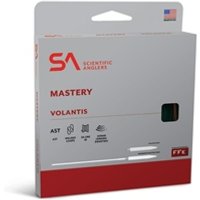
Fly lines worth adding: Scientific Anglers Volantis Integrated Floating Weight Forward Fly Line, Sharpes of Aberdeen Ajax Complete Weight Forward Floating Fly Line #6 and Guideline Classic Trout Sink 7 Fly Line #7.
On the leaders and tippet side, Scientific Anglers Absolute Trout Tippet 30m 1X (0,25 mm) 13.9lb, Fulling Mill Masterclass Fluorocarbon 50M 5.03lb 5x and Fulling Mill World Class Fluorocarbon V2 50m 20lb.
Reels: Guideline Fario Fly Reel Charcoal ±4, Lamson Liquid S-Series Daybreak Fly Reel and Lamson Remix S-Series Smoke Fly Reel.
For rods, Shakespeare Sigma Supra Fly Rod 10ft #8 4pc, Greys Wing Streamflex Fly Rod 10FT 2WT and Guideline Elevation Single Handed Fly Rod 10' #6 are all worth a look.

Sarah Marsh came to fly fishing through her father, who kept a rod on a small syndicate water in Devon. She spent her teens fishing stocked reservoirs and gradually worked her way toward wild fish on moving water – first on rain-fed freestone rivers in Wales, then on the Hampshire chalk streams she now considers home water.
She holds a level 2 APGAI fly casting qualification and guides informally on the River Test and, from June to September, on a private beat on the River Tay for Atlantic salmon. Her personal best brown trout came from the Itchen at 4lb 1oz; she’d sooner not talk about the salmon that came off at the net last August.
At The River Bend, Sarah writes the game fish species guides, fly fishing technique articles, and the legal content covering trout and salmon regulations.
Covers: Brown trout, rainbow trout, sea trout, Atlantic salmon, fly fishing, chalk streams, Scottish rivers, close season and regulation articles