Bait is the part of fishing where anglers spend the most money and think the least carefully. Tackle shops carry walls of flavoured, coloured, boosted and branded product, all of it promising an edge, and almost none of it explaining the thing that actually matters: what the fish in front of you are already eating, and how to present something they will accept without suspicion.
Most UK fish can be caught on a handful of baits that have worked for a century. Maggots, worms, bread, sweetcorn, hemp and meat account for an enormous proportion of the fish landed in this country every season, and all of them cost very little. The modern additions – boilies, pellets and paste – earn their place by solving specific problems rather than by being better in general.
This section covers every major bait category properly, in its own guide rather than as a passing mention inside a technique article. The aim is that you can work out what to put on the hook for a given species, water and time of year, and know why.
Natural Baits
Natural baits are the ones fish encounter without an angler involved: grubs, worms, and the odd piece of bread thrown to the ducks. They are cheap, they need no preparation beyond keeping them fresh, and they catch almost everything that swims in fresh water.
Their weakness is indiscriminacy. A maggot will be taken by a two-ounce roach as readily as a two-pound tench, so on a water full of small fish they can make targeting a better stamp difficult. The usual answer is to go bigger rather than to change bait entirely: a big bunch of maggots, a whole lobworm, or a lump of flake instead of a pinch.
- Maggots and Casters: The Complete Guide
- Worm Fishing UK
- Bread as Fishing Bait UK
- Luncheon Meat as Fishing Bait
Recommended gear
Bait worth having in the bag
Boilies, pellets and groundbait from both our retailers.
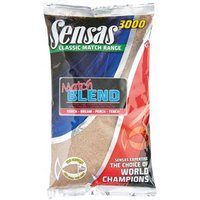
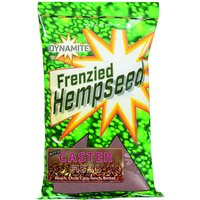
at Total Fishing Tackle
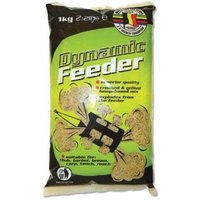
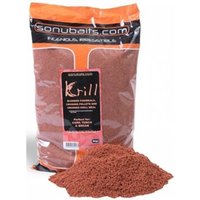
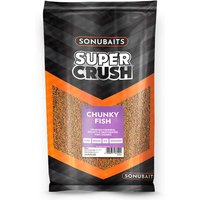
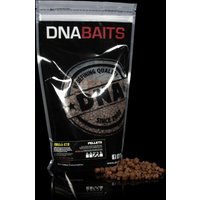
Affiliate links. We may earn a commission at no extra cost to you. More.
Particles and Seeds
Particles are feed baits first and hookbaits second. Their job is to hold fish in a swim, grubbing about and competing for small items, for long enough that your hookbait gets taken with confidence. Hemp does this better than almost anything else in British fishing.
Preparation is not optional. Dry particles absorb water and swell, and a fish that eats them before they have finished swelling is at real risk. Soak them, boil them until genuinely soft, and let them cool in their own liquid. This is a welfare issue rather than a performance one, and it is worth getting right.
- Sweetcorn Fishing UK
- Hemp Seed Fishing UK
- Tiger Nuts for Carp Fishing
- Particle Baits: Tares, Maize, Chickpeas and More
Manufactured and Modern Baits
Boilies, pellets and pastes exist to solve problems the naturals cannot. A boilie stays on the hook at range, resists nuisance species, and lets you fish through the night without rebaiting. A hard pellet does much the same on a commercial fishery. Paste does the opposite job, breaking down fast to put scent into cold water where fish are not moving far to find food.
Flavour matters far less than the industry would like you to believe. Consistency matters more. A water that has seen the same bait going in regularly holds fish that recognise it as food, and that familiarity is a bigger edge than any new additive.
- Boilies: The Complete Carp Bait Guide
- Pellet Fishing Guide UK
- Groundbait Guide UK
- PowerBait for Trout UK
- Artificial and Imitation Baits
Attractants
Attractants are the most oversold category in angling, and also genuinely useful in the right conditions. Oils, glugs and liquid additives work by putting scent into the water and drawing fish towards a bait they have not yet seen.
The conditions matter enormously. Oil-based attractants disperse poorly in cold water, which is precisely when anglers reach for them hardest. Through winter, a soluble or alcohol-based liquid does more than a heavy oil. Through summer, oils come into their own.
Best Bait by Species
Species-specific guides are where the general principles meet an actual fish. A tench feeding in silty margins at dawn wants something different to a pike sitting in four feet of coloured water in January, and both want something different to a carp on a pressured commercial in mid-July.
These guides set out what works for each species, when, and why, along with the presentation that suits it. They are the quickest route from “I want to catch one of those” to a bait on a hook.